The Allure of Gambling
The psychology of gambling is deeply rooted in the human experience. One of the primary reasons individuals are drawn to casino games is the thrill and excitement they offer. This thrill often arises from the potential for a quick, substantial reward, making gambling an enticing escape from the mundane aspects of everyday life. Players may find themselves captivated not only by the games themselves but also by the atmosphere of the casino, which is designed to amplify feelings of euphoria and anticipation. For instance, when engaging with online platforms, many players are intrigued by options such as payid pokies, which add to the excitement of gaming.
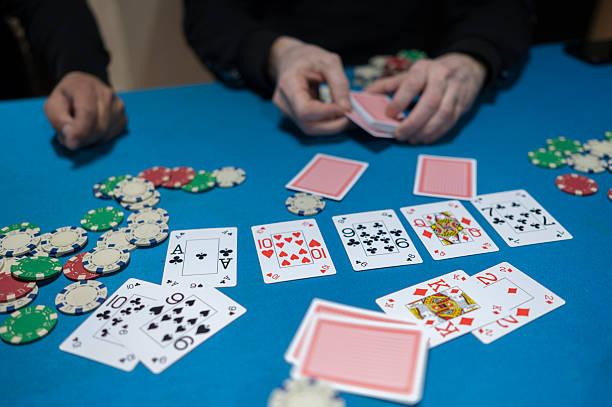
Moreover, the social aspect of gambling cannot be overlooked. Many individuals enjoy the communal experience of playing games like poker or blackjack with friends or strangers. The shared excitement and the potential for camaraderie can enhance the overall experience, creating bonds over shared risks and rewards. This social dimension adds another layer of appeal, making gambling not just about winning money but also about forming connections with others.
The Role of Risk and Reward
At the core of most gambling activities is the concept of risk and reward. The psychology of risk-taking plays a significant role in why people gamble. Many individuals are hardwired to seek out risks that could lead to extraordinary rewards. This behavior can be traced back to evolutionary psychology, where taking risks could result in greater access to resources or social status. In the context of a casino, the stakes involved in games amplify this instinct, making the potential payoff feel exhilarating.
Furthermore, the variable rewards system inherent in many casino games, such as slot machines, can create addictive behaviors. Players experience intermittent reinforcement, where winning occurs sporadically, making them more likely to return for the chance of hitting a jackpot. This psychological phenomenon can lead to a cycle of increased gambling activity as players chase the next win, often disregarding the potential for loss.
The Impact of Personal Psychology
Individual psychological factors also play a crucial role in gambling behaviors. Personal traits such as impulsivity, sensation-seeking, and the desire for instant gratification can influence one’s inclination to gamble. Those who are naturally more impulsive may find it harder to resist the lure of a casino, while sensation-seekers may gravitate towards games that provide heightened emotional experiences.
Additionally, emotional states can significantly impact gambling tendencies. Many individuals turn to gambling as a coping mechanism during times of stress or emotional turmoil. The thrill of playing casino games can serve as a temporary distraction from life’s challenges, offering a form of escapism. Unfortunately, this can lead to a dangerous cycle, where individuals gamble more as a means of managing their emotions, potentially resulting in harmful consequences.
Cognitive Biases in Gambling
Cognitive biases significantly shape the way individuals perceive gambling outcomes. One common bias is the illusion of control, which refers to the tendency for players to believe they can influence the outcomes of games of chance. This belief can be particularly strong in skill-based games, where players may overestimate their abilities. Such cognitive distortions can lead to increased gambling activity, as individuals feel more confident about their likelihood of winning.
Another prevalent bias is the gambler’s fallacy, where players believe that past outcomes will influence future results. For instance, if a certain number has not come up in a while, one may think it is «due» to appear. These biases are often exploited by casinos, which design games and environments to enhance these cognitive errors, further drawing players into the gambling experience.

Fostering a Safe Gambling Environment
Understanding the psychology behind gambling is essential for promoting responsible gaming practices. As awareness of gambling addiction grows, there is an increased emphasis on creating environments that prioritize the safety and well-being of players. Educational initiatives focus on informing individuals about the potential risks associated with gambling, encouraging healthier attitudes and behaviors towards gaming.
Additionally, platforms that provide robust security measures, like those supported by the Cloudflare network, play a vital role in safeguarding players’ online experiences. Ensuring secure access to gambling sites not only protects personal information but also fosters a safer atmosphere for players to enjoy their gaming experiences responsibly. Encouraging open dialogue about gambling habits and implementing supportive features can help mitigate the negative consequences that gambling can sometimes bring.